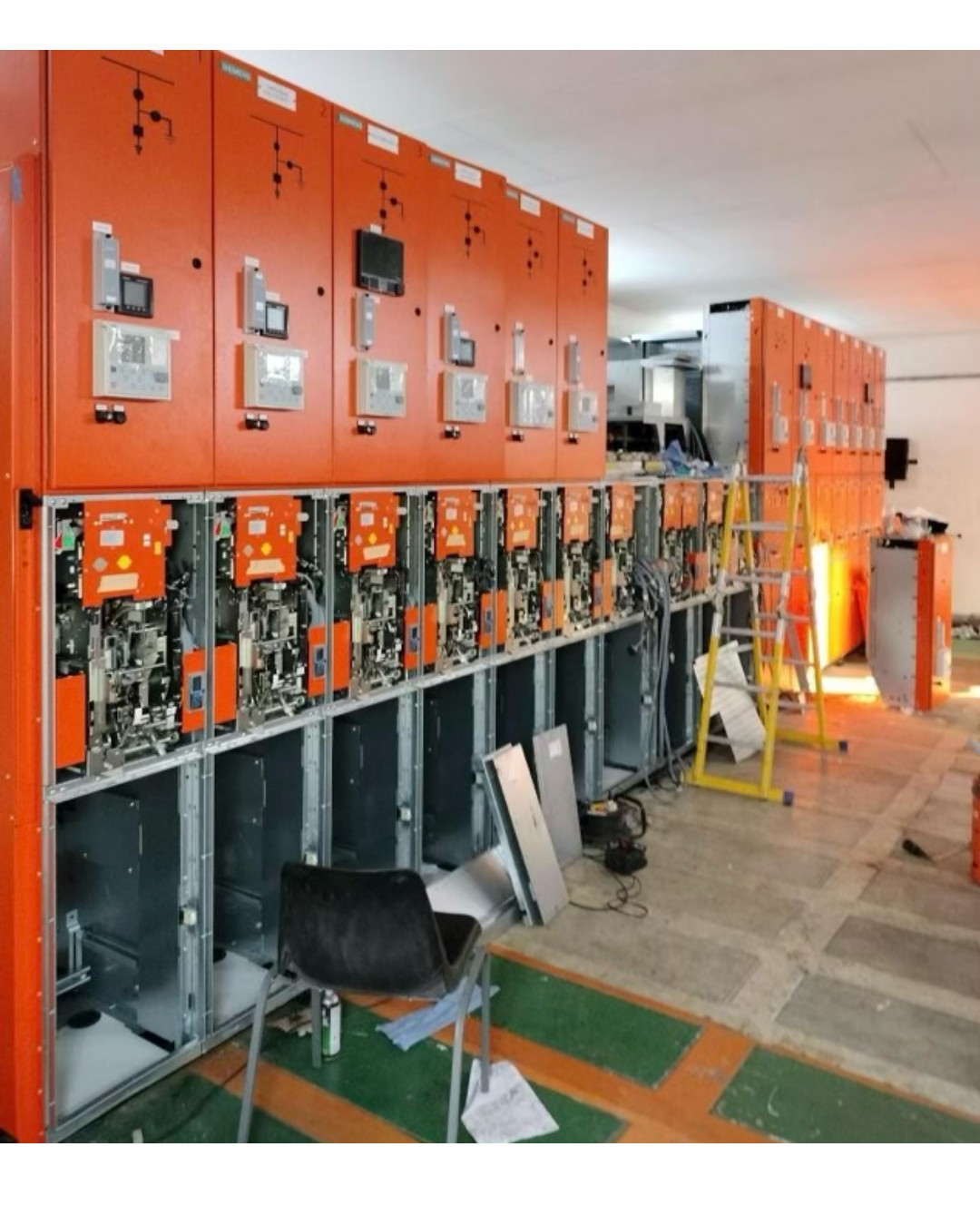
Switch Gear Rentals
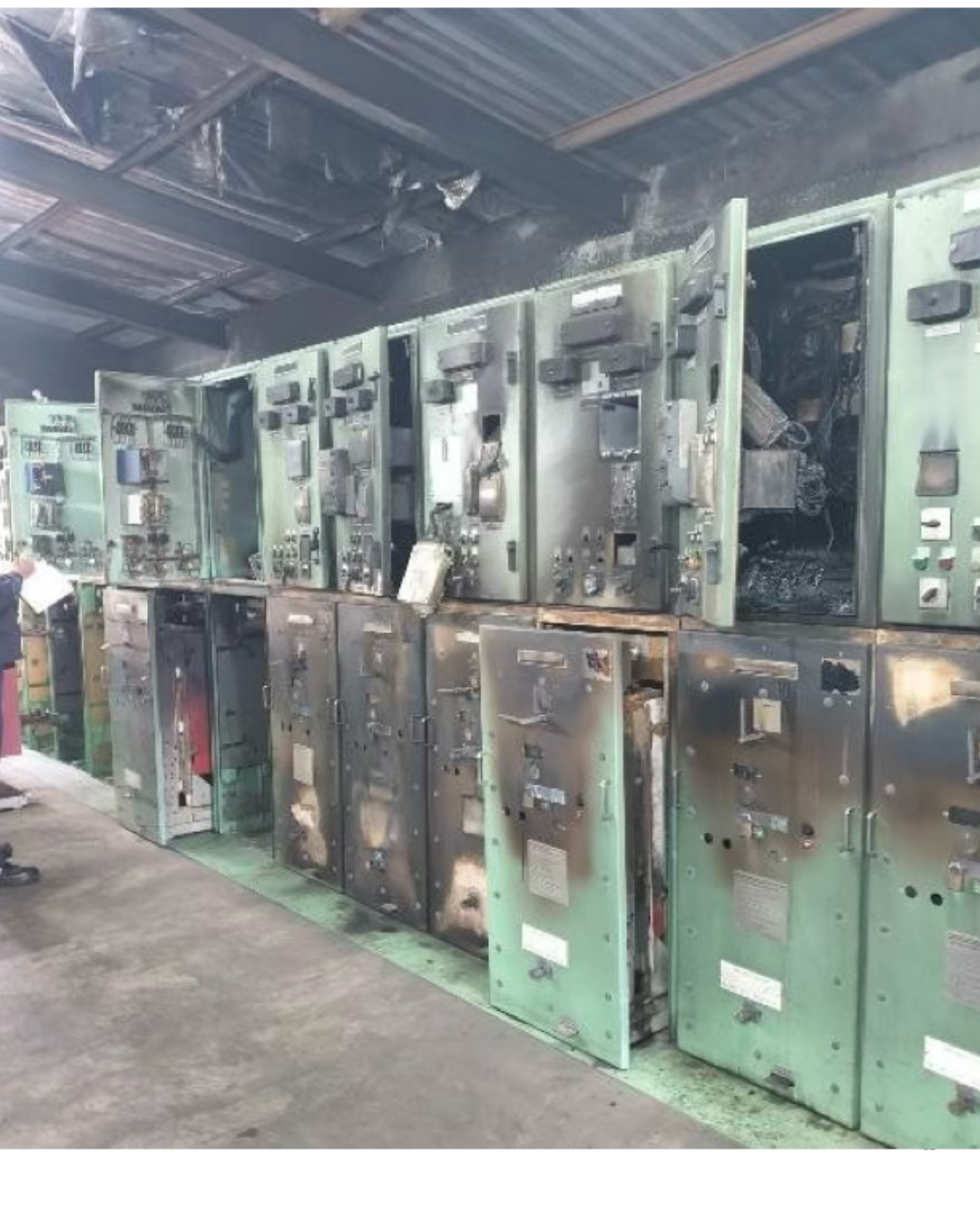
The Challenge
- Cost to replace
- Time to replace
- Losses due to failure
- Spares availability
- Local support
The Cost to Replace
- Budget approval
Time to Replace
- Budget approval
- Generate enquiry
- Place an order
- Manufacture
- Installation
- Commissioning
Losses due to failure
- Life
- Equipment
- Production
- Profit
- Time
Spares availability
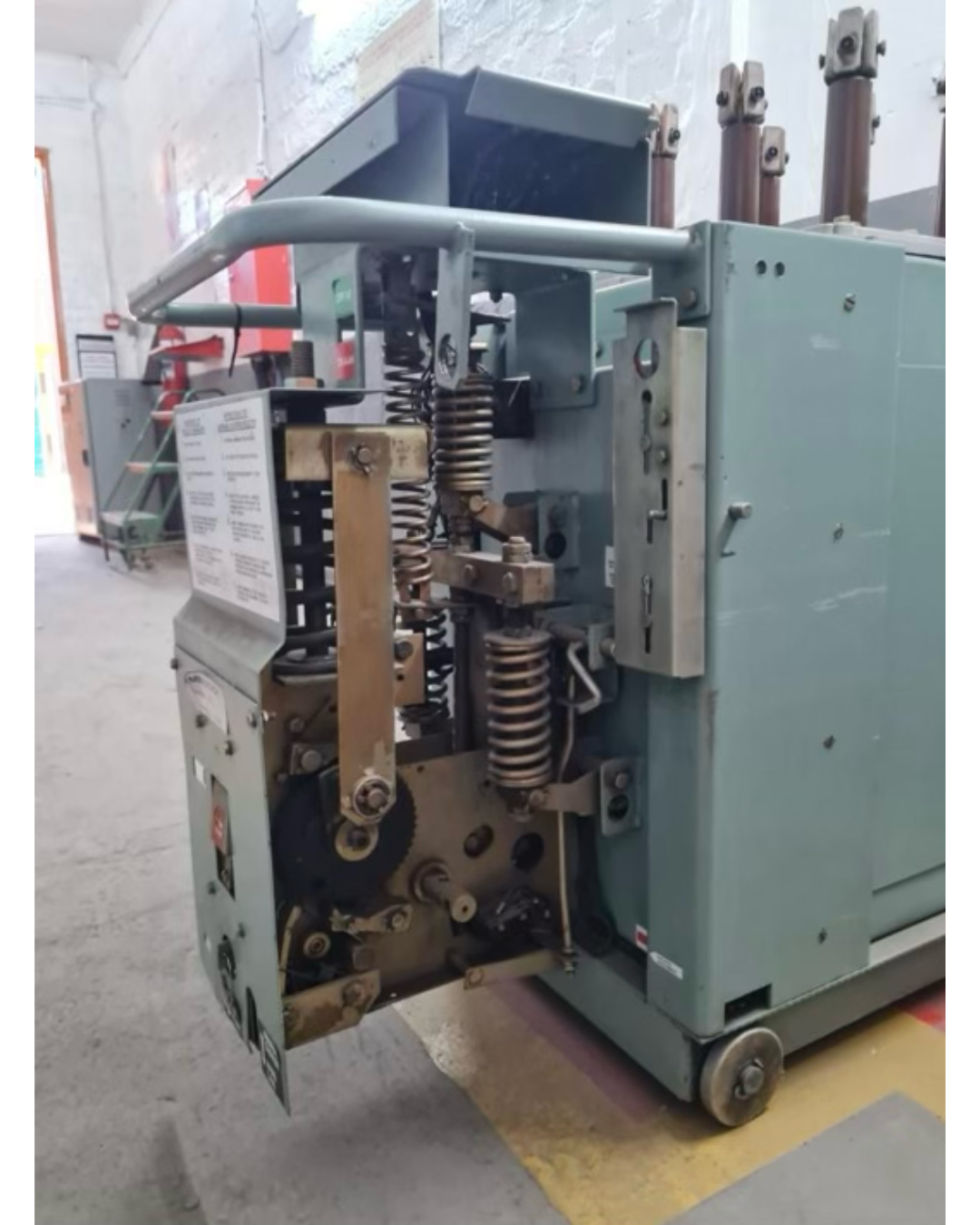
- Complete CB
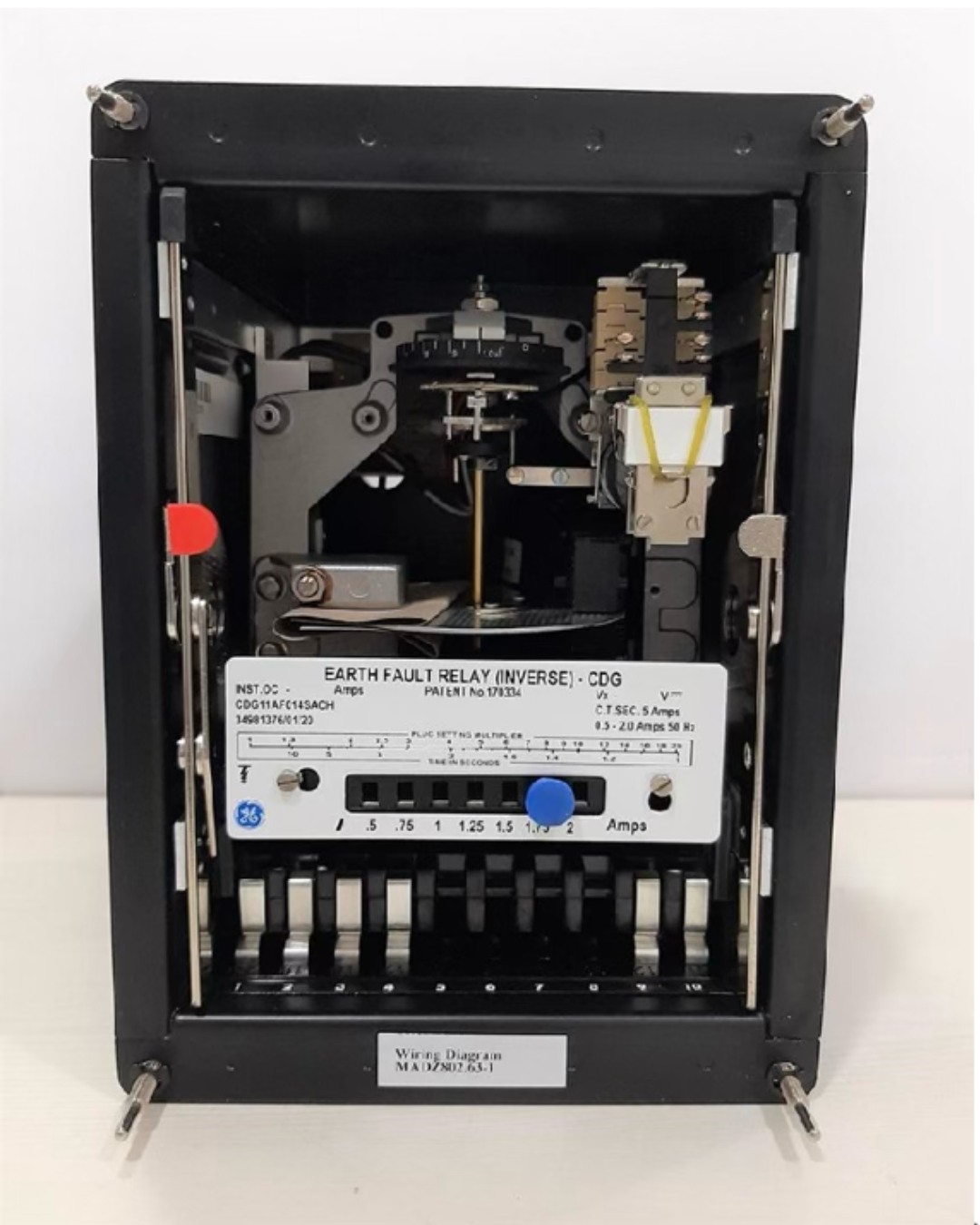
- Protection relays
- Coils
- Batteries
- Chargers
- Time to source replacements
Support
- Local
- Knowledge
- Skills
- Test equipment
- Access to site
Renting vs Buying
Financial benefits
- Lower upfront costs: Renting avoids a large capital outlay, freeing up working capital for other business needs.
- Tax advantages: Rental payments are fully tax-deductible business expenses, unlike the depreciation method for purchased equipment.
- Predictable budgeting: Rental costs are fixed with consistent monthly payments, making budgeting easier.
- Reduced financial risk: Renting minimizes the risk associated with owning depreciating assets.
Operational advantages
Flexibility and scalability: Companies can easily scale their equipment up based on needs
Access to new technology: Renting allows businesses to use the latest, most advanced equipment without the high cost of ownership and the hassle of replacing outdated models.
No maintenance responsibility: The rental company handles all maintenance, repairs, and logistical issues, reducing downtime for the business.
Rent to own
- Flexible contract periods starting from 5 years to 10 years
- Base facility charge not escalated
- Assets stay off Clients books until the contract period expires
- Client can claim back full expense on tax
- Cost calculated per Circuit Breaker per month and depends on:
- Contract period
- Current rating
- Fault rating
- Voltage rating (3.3 – 11kV)
Types of Equipment
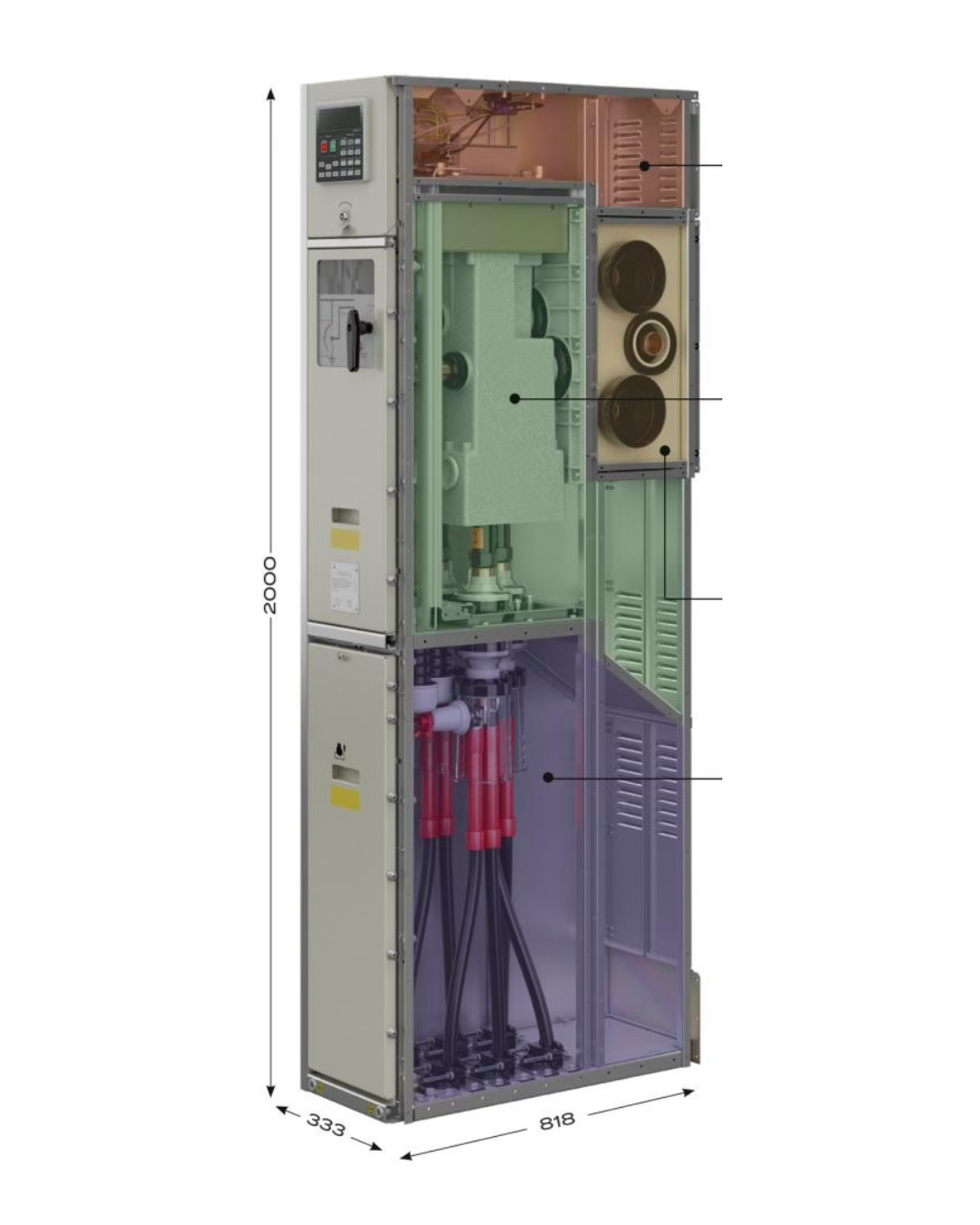
Equipment type remains our final decision
Client needs to provide
- Rated Voltage
- Load requirements per feeder
- Upstream transformer data (We will calculate fault level requirements)
Equipment fitted with:
- Voltage measurement devices
- Current measurements
- Isolators / withdrawable
- Protection relay
- Arc Flash Protection
Relay, SCADA, Remote Monitoring & Reporting
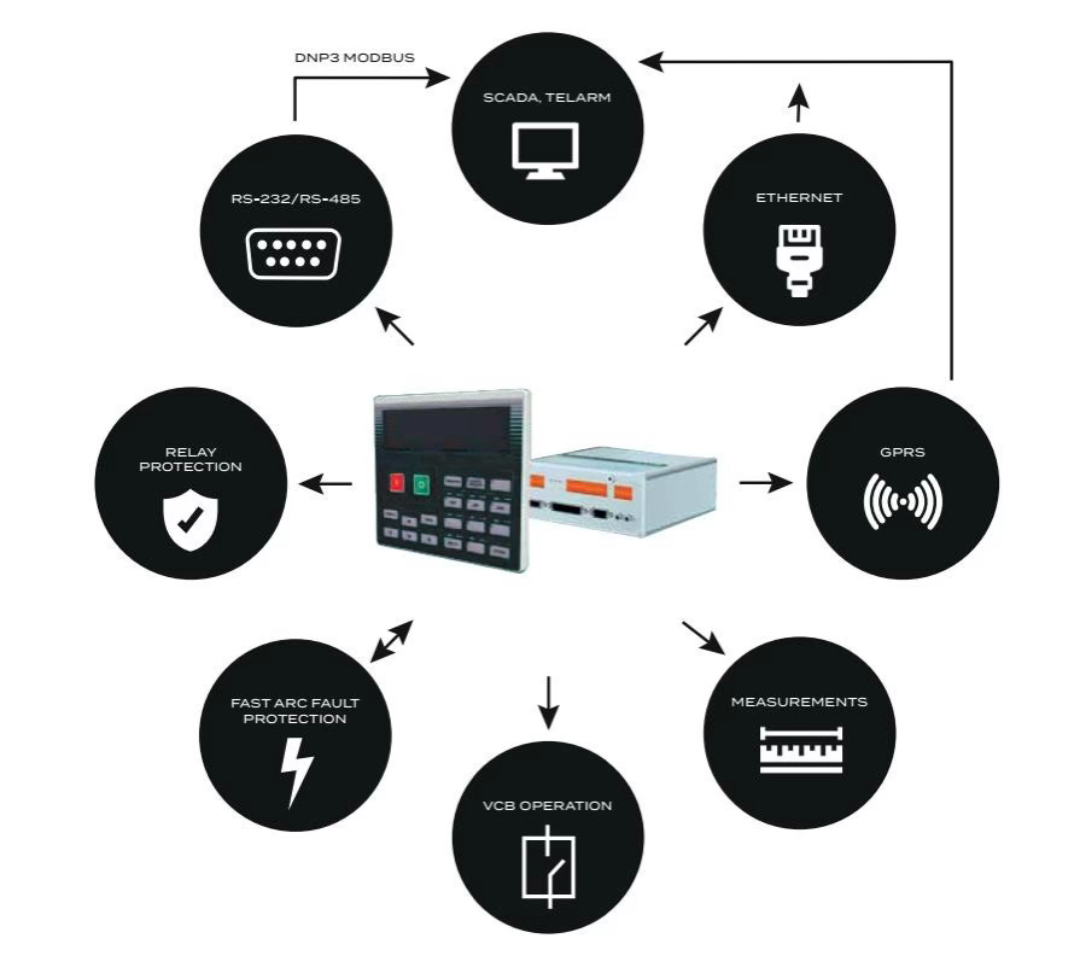
Typical Relay Functionality
- Phase-to-phase overcurrent (50,51)
- Phase-to-ground overcurrent (50N, 51N)
- Autoreclosing (79)
- Sensitive earth fault (51GS)
- Neutral Overvoltage (59N)
- Voltage unbalance (negative sequence voltage)(47)
- Current unbalance (negative sequence current)(46)
- Undervoltage (27)
- Overvoltage (59)
- Underfrequency (81U)
- Loss of supply
- Voltage reclosing control
- Automatic backfeed restoration
- Main and reserve incomers interlock element
- Backfeed supply element
Measurements
- Phase currents
- Residual current (3xI0)
- Positive and negative sequence current
- Positive and negative sequence voltage
- Frequency
- Single-phase and three-phase power factor
- Phase-to-earth voltage
- Phase-to-phase voltage
- Single-phase and Three-phase active power
- Single-phase and Three-phase reactive power
- Single-phase and three-phase active energy
- Single-phase and three-phase reactive energy
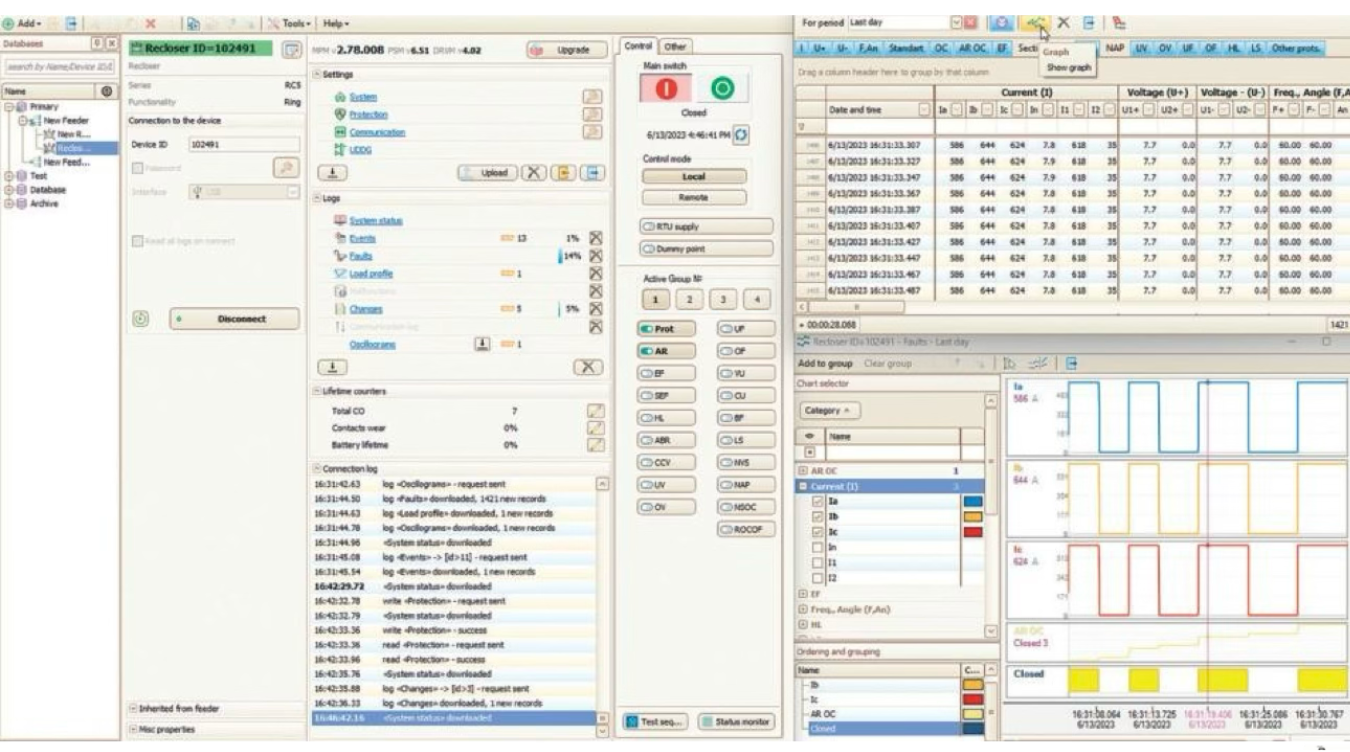
Software & Monitoring
Maintenance Service
- Maintenance services
- Off site monitoring services
- Reports
- Inspections
- Call out response
- Annual legal compliance testing and reports
Facility Charge
- Required to pay for the equipment
- 11kV 31.5kA 1250A CB fixed pattern for incomers
- 11kV 31.5kA 800A CB fixed pattern for feeders
- Cost depends on the configuration.
- Contact us for your plant specific pricing
- Fixed for duration of contract
Service Charge
- Required to pay for the maintenance of equipment
- This is a separate agreement, but a condition of the rental agreement
- Contact us for your site pricing
- Escalate at CPI per annum